
About John Sear
JOHN SEAR is an experienced Scuba Diver, Underwater Photographer and Citizen Scientist who, together with assisting curation of the Australian Museum’s Australasian Fishes Project on iNaturalist, has also contributed over 10,000 observations to the same platform. He has also co-authored the Sydney Harbour Fishes book with the Australian Museum.
With a specific interest in both fish and coral he has been documenting impact of climate change on his local dive site, Cabbage Tree Bay Aquatic Reserve, in metropolitan Sydney. Combining this passion with his corporate background in Program Management, he has introduced two new data collection sites, monitoring temperate coral health, on the Atlas of Living Australia database.
In 2015 he discovered a handful of small colonies of Pocillopora aliciae , a coral only recently described as a new species, in the aquatic reserve at Cabbage Tree Bay. It is a sub-tropical species and is approximately 150km further south than its previous southern distribution range. Since then, it has been proliferating across the urchin barrens, bare rock platforms that used to be kelp beds.
In 2025 he has received confirmation of the identification of a new species of Enneapterygius he discovered in Sydney Harbour, and will be co-authoring the paper that describes it.
The kids got to meet their new teachers today, and picked up their school bags, first learning packs, and are very excited by the prospect. Sydney Distance Education Primary School (SDEPS) will be sending us work packs regularly which the kids fill out (4hours a day) and return every fortnight for marking. The curriculum will move to more electronic means next year when we can do more work on iPads. Looking at the packs we were very impressed with the quality of content – we even get a craft pack for them to use for some of the activities
The Anderson plug fitting was completed today on the Pajero too so the car is ready for action.
My good friend Greg, from Aquarius Design Solutions has updated the Fifty Toes Walkabout branding for the car.
Here is the new look – let us know what you think – they will be stuck to the side of the car so you can say hi and toot your horn if you see us!

Here’s our first glimpse of the finished Camprite TX-6 camper trailer leaving the factory in West Australia. Very happy with the colour and looking forward to taking delivery early next week. That gives us one weekend to pack it before we leave – gulp!

Leaving the factory in WA, bound for Sydney!
A very nice crema formation on the top, rich aroma, and smooth palate makes the very manual process rewarding, especially when the taster is still smiling after drinking it. Now back to packing for the trip!
This slideshow requires JavaScript.
Categories: Garden, Sydney
| Tags: Coffee |
With the new trailer having a versatile Treg Hitch I’d be keen to see how people secure their trailers to prevent theft. What’s best for the tree hitch, or do you just put a D-lock through one of the wheels. How do you prevent a determined thief with a power tool?Alternatively GPS trackers look pretty good as a second line of protection. What are the best models out there?
Categories: Camper Trailer, Car
| Tags: Security |
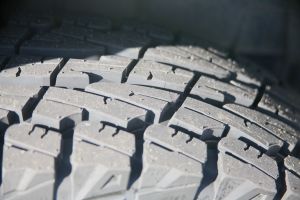
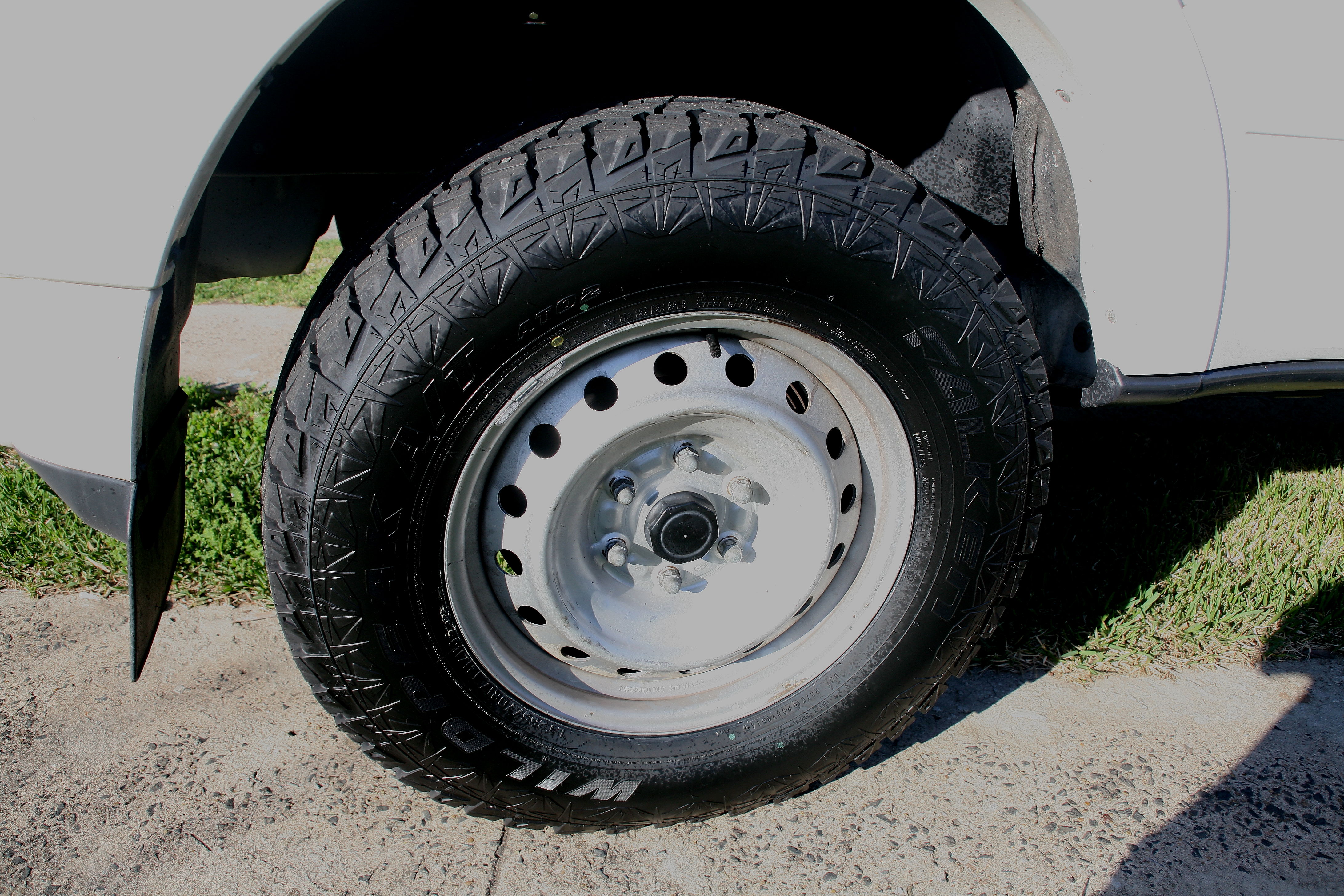
Today I got the new tyres for the car. We’re going to give Falken Wild Peak tyres a go. Five new 17 inch 265/70 tyres and a wheel alignment. We’ll see how they perform over the months to come. The tread is supposed to be quieter on bitumen, better at dispelling water, and very different from Coopers or BF Goodrich. Let’s hope they are as good off-road as they are made out to be.

Ok a couple of pictures of the car with new suspension lift, the pre-filter snorkel fitted, awning and cage fitted, together with the trusty old pod with a little added security. The awning is excellent – an Aldi special, really easy to put up (not so easy to install though). Next major thing is to change the wheels – going for Falken 17inch Wild Peaks, hopefully they are up to the challenge. Then an Anderson plug installation is required and we’re almost ready to go.
This slideshow requires JavaScript.
Ok between getting Snorkels fitted and suspension lifts on the car the very manual coffee processing continues. This week the beans were fermented, dried and finally, with the help of the kids, de-husked, leaving me with green beans ready for the final stages of roasting and drinking.
The final roasting proved challenging as I rushed the process using wok over too high a heat, resulting in partially roasted beans shown below. Initial grinds produced an orange powder that from previous experience is too bitter. After re-heating over a lower flame and constant stirring the resultant grind was much better. The roasting reaction is endothermic initially, but once the first “cracking” (like popcorn) commences the process rapidly becomes exothermic, giving off smoke. As soon as the second cracking commences I transfer the beans into a metal bowl on ice to rapidly cool and stop the reaction before the beans burn.
This slideshow requires JavaScript.
Categories: Garden, Location, NSW
| Tags: Sydney |
Still plenty to do at home – like harvesting the coffee crop. With lots of seedlings growing up there is only one bush that fruits and given the low volume of crop everything is manual at this stage.
Pick the cherries as the red colour starts to darken. Squeeze each cherry to remove two very slimy beans. The outer case goes straight back into the compost whilst the beans are fermented in water for a few days to remove the slimy coating. No need to add anything as a natural enzyme in the fruit helps the process. This step is not essential but certainly helps the handling process. Once removed from the fermentation dry the beans naturally. Depending upon the weather this may take a few days.
This slideshow requires JavaScript.
Categories: Garden, Location, NSW
| Tags: Sydney |




 Fifty Toes Walkabout
Recent Comments